
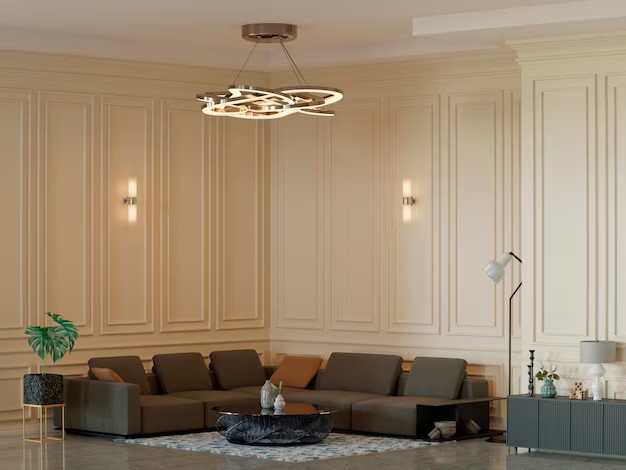
Interior design in Australia continues to evolve as homeowners place greater value on comfort, sustainability, and timeless aesthetics. In Sydney, where architectural styles range from heritage terraces to modern apartments, interior plastering plays a crucial role in shaping how spaces look and feel.
As we move into 2026, Interior Plastering Design is no longer just about smooth walls. It has become a key design element that supports texture, lighting, acoustics, and overall visual balance. This article explores the leading interior plastering design trends expected to shape Sydney homes in 2026, with a focus on practical application rather than short lived style.
Why Interior Plastering Matters in Modern Sydney Homes
Interior plastering forms the foundation of most interior finishes. It influences not only appearance but also durability, sound control, and how light interacts with surfaces.
Sydney homes are increasingly designed with open plan layouts, high ceilings, and multi functional spaces. Quality plastering supports these designs by creating clean transitions, enhancing ceiling features, and allowing modern textures to perform well over time.
As design preferences shift toward warmth and individuality, plaster finishes are becoming more expressive while remaining practical for everyday living.
Key Interior Plastering Design Trends for 2026
The following trends reflect both global design influences and the specific needs of Sydney homeowners, including climate considerations, lifestyle preferences, and building styles.
Textured Plaster Finishes Are Making a Strong Comeback
Smooth walls will always have their place, but textured plaster finishes are expected to gain popularity in 2026. These finishes add depth and character without overwhelming a space.
Popular textured styles include:
- Subtle lime-based plaster textures
- Light trowel effects for feature walls
- Soft hand applied finishes that create movement
In Sydney homes, textured plaster is often used in living rooms, entryways, and bedrooms to introduce visual interest while maintaining a calm atmosphere.
Natural and Earthy Tones Dominate Interior Spaces
Colour trends for interior plastering in 2026 lean towards natural, earthy tones. These shades reflect a growing preference for calm and grounded interiors.
Common colour choices include:
- Warm whites
- Soft beiges and sands
- Muted greys with natural undertones
These tones work well with plaster finishes because they highlight texture without appearing busy. They also suit Sydney’s coastal and urban environments, blending well with natural light.
Ceiling Design Trends Using Plastering Techniques
Ceilings are receiving more attention in modern interior design, and plastering plays a major role in this shift.
Decorative Ceiling Details Are Returning
Plaster ceiling features such as cornices, ceiling roses, and subtle mouldings are being reintroduced in a more refined way. Rather than ornate designs, 2026 trends favour clean lines and minimal detailing.
These elements work particularly well in Sydney homes that combine traditional architecture with modern interiors.
Bulkheads and Drop Ceilings for Visual Zoning
Bulkheads and drop ceilings are increasingly used to define zones within open plan homes. Plastering helps create seamless transitions between spaces such as kitchens, dining areas, and living rooms.
This approach improves visual structure without the need for additional walls, supporting both design and functionality.
Sustainable Interior Plastering Materials
Sustainability continues to influence building and design decisions across Australia. In 2026, interior plastering trends reflect a growing interest in environmentally responsible materials.
Low VOC and Eco-Friendly Plaster Options
Homeowners are paying closer attention to indoor air quality. Low VOC plaster products help reduce harmful emissions and support healthier living environments.
These materials are particularly relevant for families, apartments, and renovation projects where occupants remain in the home during works.
Long Life and Low Maintenance Finishes
Durability is a key part of sustainability. Plaster finishes that resist cracking and wear reduce the need for frequent repairs or replacements.
Well installed plaster systems help maintain surface integrity, which is especially important in Sydney homes exposed to temperature changes and humidity.
Feature Walls Through Interior Plastering Design
Feature walls remain popular in 2026, but plastering is now being used to create more subtle and integrated design statements.
Sculpted and Layered Plaster Features
Rather than bold colours or wallpaper, plaster feature walls rely on form and texture. Layered plaster elements, shallow curves, and soft geometric shapes add interest without overpowering a room.
These designs work well in:
- Living areas
- Master bedrooms
- Home offices
Curved Walls and Soft Edges
Curved plaster walls are becoming more common in high end Sydney interiors. Soft edges create a sense of flow and contrast with sharp architectural lines.
Plaster is well suited for this trend because it allows smooth transitions and precise shaping when applied by skilled professionals.
Acoustic and Functional Benefits of Modern Plastering
Design trends in 2026 also reflect the practical role plastering plays in daily life.
Improved Acoustic Comfort
With more people working from home, acoustic performance has become a priority. Plasterboard systems designed for sound control help reduce noise transfer between rooms.
This is particularly relevant in Sydney apartments and townhouses where space is shared across walls and floors.
Supporting Integrated Lighting Designs
Modern lighting designs often rely on recessed fittings, LED strips, and concealed lighting channels. Plastering allows these elements to be integrated cleanly into walls and ceilings. The result is a more refined finish that enhances ambience without visible fixtures.
Interior Plastering Trends in Sydney Renovations
Renovation activity remains strong across Sydney, and interior plastering plays a key role in updating older homes.
Blending Old and New Through Plastering
Many Sydney homes combine original features with contemporary updates. Plastering helps bridge this gap by restoring heritage details while introducing modern finishes.
This might include repairing traditional cornices while upgrading wall finishes to suit modern interiors.
Upgrading Performance During Renovations
Renovations provide an opportunity to improve acoustic and thermal performance. Modern plasterboard systems can be installed alongside insulation to enhance comfort without changing the external appearance of the home.
Specialists such as Empire Interior Plastering are familiar with applying these systems in both new builds and renovation settings across Sydney.
Choosing the Right Interior Plastering Approach
Understanding design trends is important, but correct application is essential for long term results.
Design Should Match the Space
Not every trend suits every home. Factors such as room size, ceiling height, and natural light should guide plastering design decisions.
Simple finishes may suit smaller spaces, while textured or decorative elements work best in larger areas with sufficient light.
Quality Installation Supports Design Intent
Even the best design concept can fail if installation is poor. Precise jointing, surface preparation, and finishing all affect the final result.
Professional plasterers understand how materials behave over time and apply techniques that support durability and performance. Empire Interior Plastering applies industry best practices to ensure plaster finishes align with both design goals and practical requirements.
Interior Plastering Design Trends Beyond 2026
While trends evolve, certain principles remain consistent. Thoughtful interior plastering design focuses on balance, functionality, and longevity.
In Sydney homes, this means selecting finishes that respond to climate, lifestyle, and architectural context rather than following trends blindly. As materials and techniques continue to improve, plastering will remain a versatile and essential element of interior design.
Conclusion
Interior plastering design trends for 2026 focus on texture, functionality, and long-term comfort. From subtle finishes and modern ceiling details to improved acoustic performance, plastering continues to shape how Sydney homes look and feel. Choosing the right materials and installation approach helps ensure these design elements remain practical and durable over time.
If you are planning a new build or renovation and want guidance on interior plastering options suited to your space, contact a qualified plastering specialist to discuss your requirements and achieve a well finished, comfortable interior.