
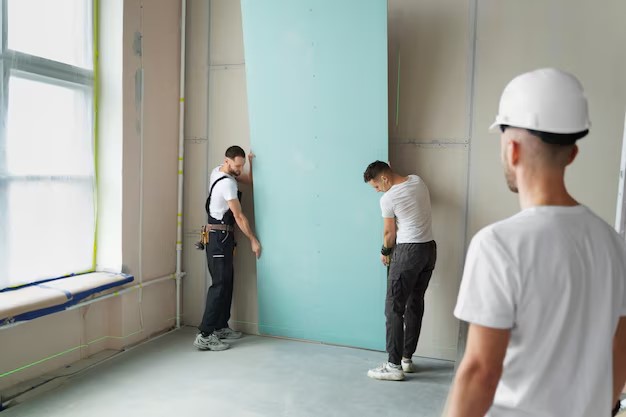
Modern homes are built around comfort, efficiency, and everyday liveability. While insulation, glazing, and ventilation often take centre stage, plastering plays an equally important role in creating a comfortable indoor environment. Quality plastering helps regulate temperature and control noise, making homes feel warmer in winter, cooler in summer, and noticeably quieter all year round.
In this article, we explore how modern plastering solutions improve thermal and acoustic comfort in Australian homes, the materials involved, and why professional installation by Empire Interior Plastering matters for long term performance.
Understanding Thermal and Acoustic Comfort
Before looking at plastering in detail, it helps to understand what thermal and acoustic comfort mean in a residential setting.
Thermal Comfort Explained
Thermal comfort refers to how well a home maintains a stable indoor temperature throughout the year. Australian homes must handle hot summers and cooler winters, often within the same season.
Good thermal performance reduces reliance on heating and cooling systems, improving energy efficiency, sustainability and helping lower household energy costs.
Acoustic Comfort Explained
Acoustic comfort is about how sound behaves inside a home. This includes reducing outside noise from traffic or neighbours and limiting sound transfer between rooms.
Effective acoustic control improves privacy, concentration, and overall wellbeing, especially in busy households and urban environments.
The Role of Plastering in Thermal Performance
Plastering is more than a finishing touch. When correctly installed, plaster systems can significantly improve a home’s thermal performance.
How Plaster Helps Regulate Temperature
Plaster materials provide thermal mass, meaning they can absorb, store, and gradually release heat. This helps reduce sudden temperature changes throughout the day.
In summer, plastered surfaces absorb excess heat and release it when temperatures drop. In winter, they help retain warmth generated inside the home, creating a more stable indoor climate.
Working With Insulation
Plasterboard works hand in hand with insulation. When insulation is installed behind plasterboard walls or ceilings, the plaster layer helps seal the building envelope and reduce air leakage.
Even small gaps or cracks can reduce insulation effectiveness. Quality plastering helps minimise these weak points, allowing insulation to perform properly.
Energy Efficiency Benefits
By improving temperature stability, plastering helps reduce energy use. Homes with well finished plastered interiors often need less heating and cooling, supporting Australian energy efficiency standards and long-term sustainability.
How Plastering Improves Acoustic Comfort
Acoustic comfort is increasingly important in modern homes, particularly with open plan designs, townhouses, and multi dwelling developments.
Sound Control Within Living Spaces
Plastered walls and ceilings influence how sound travels within a room. Smooth, well finished surfaces help distribute sound evenly, reducing echo and improving clarity in everyday living areas.
Specialised plaster systems can also absorb sound, making them ideal for meeting rooms in commercial premises and bedrooms, home theatres, and study spaces in residential buildings.
Reducing Noise Between Rooms
Plasterboard systems, especially when installed in multiple layers, help limit sound transfer between rooms. This is essential for maintaining privacy in meeting rooms in commercial premises and bedrooms, bathrooms, and home offices.
When combined with acoustic insulation, plastering can significantly reduce airborne noise such as voices, televisions, and household activity.
Limiting External Noise
As part of a complete wall system, quality plastering also helps reduce external noise entering the home. This is particularly beneficial in urban and suburban areas where traffic and neighbourhood noise are common.
Plastering Materials That Improve Comfort
Different plastering materials offer varying levels of thermal and acoustic performance.
Standard Plasterboard
Standard plasterboard is widely used in residential construction and provides a solid balance of thermal mass and acoustic control when paired with insulation.
Acoustic Plasterboard
Acoustic plasterboard is denser than standard options and designed to reduce sound transmission. It is commonly used in bedrooms, shared walls, and media rooms.
High Performance and Thermal Boards
Some plasterboard products are specifically designed to improve thermal resistance. These may include higher density cores or reflective layers to enhance insulation performance.
Decorative Plaster Finishes
Decorative plaster finishes can also improve acoustics by softening sound reflection and reducing echo within a room.
Plastering in Modern Australian Home Design
Plastering supports many design trends seen in contemporary Australian homes.
Open Plan Living
Open plan spaces benefit from plaster systems that help manage sound travel and maintain consistent temperatures across large areas. Ceilings and partition walls play a key role in balancing openness with comfort.
Multi Storey and Multi Dwelling Homes
In townhouses and apartments, plastering is essential for meeting acoustic separation requirements. Proper installation helps reduce noise transfer between floors and adjoining properties.
Home Offices and Flexible Spaces
With more Australians working from home, acoustic comfort is more important than ever. Sound reducing plaster systems help create quieter and more productive work environments.
Why Professional Plastering Matters
The performance of plastering systems depends heavily on correct installation.
Preventing Thermal Gaps
Poor installation can leave gaps, cracks, or weak points that allow air movement and reduce thermal efficiency.
Achieving Acoustic Performance
Acoustic performance relies on correct fixing methods, joint treatment, and material selection. Inconsistent workmanship can significantly reduce noise control benefits.
Long Term Durability
Professional plastering ensures surfaces remain stable over time, preventing cracks and deterioration that can impact comfort and appearance.
Specialists such as Empire Interior Plastering understand how plastering systems contribute to thermal and acoustic comfort and apply industry best practices on every project.
Plastering and Australian Building Standards
Australian building regulations place increasing emphasis on energy efficiency and acoustic performance.
Energy Efficiency Requirements
Plastering helps support thermal performance targets outlined in the National Construction Code. When combined with insulation, it contributes to meeting minimum energy ratings.
Acoustic Compliance
In multi residential buildings, plaster systems help meet acoustic separation standards, ensuring acceptable noise levels between dwellings.
Working with experienced professionals like Empire Interior Plastering helps ensure compliance with current Australian standards.
Maintaining Comfort Over Time
Plastering continues to support comfort when properly maintained.
Repairing Cracks Early
Small cracks can affect both thermal sealing and acoustic performance. Early repairs help maintain the integrity of plastered surfaces.
Upgrading During Renovations
Home renovations provide an ideal opportunity to upgrade plaster systems with modern thermal and acoustic materials.
Conclusion
Plastering plays a vital role in improving thermal and acoustic comfort in modern homes. From stabilising indoor temperatures to reducing unwanted noise, quality plaster systems support healthier, quieter, and more energy efficient living spaces.
When designed and installed correctly, plastering works alongside insulation and architectural design to create homes that feel comfortable all year round.
For expert advice or to discuss your plastering requirements, contact a qualified plastering specialist and ensure your home is built for lasting comfort.