
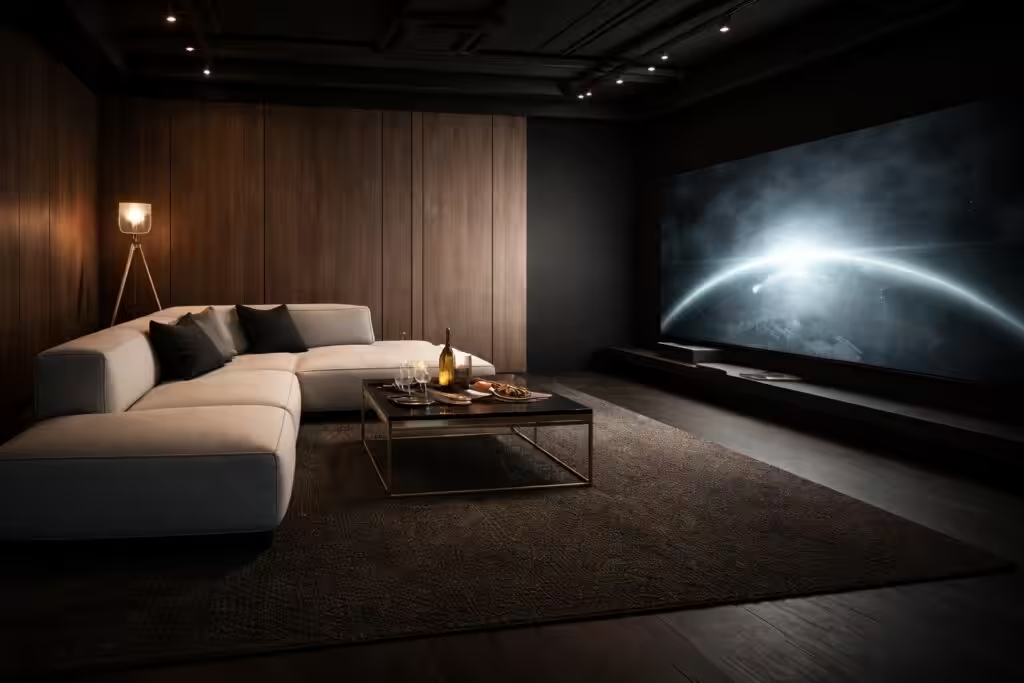
Designing a dedicated home theatre is becoming increasingly popular across Australia, offering a more immersive and comfortable entertainment experience. Whether you are planning a new build or upgrading an existing space, careful planning is essential. Well-executed home theatre fitouts can significantly enhance both sound quality and visual appeal.
Plastering is one of the most important yet often overlooked elements in this process. The finish of your walls and ceilings directly affects acoustics, lighting, and overall ambience. With the right plastering techniques, you can create a space that performs well and looks refined.
Why Plastering Matters in a Home Theatre
Plastering is not just about achieving smooth walls. It plays a critical role in managing how sound travels within the room. Poorly finished surfaces can lead to echo, distortion, and uneven sound distribution.
Key benefits of quality plastering
- Improves sound insulation
- Reduces external noise interference
- Provides a strong base for finishes
- Enhances the overall design of the room
In home theatre fitouts, planning plastering from the beginning helps achieve better long-term results.
Understanding Acoustic Performance
Sound clarity is essential for a good home theatre experience. The way plaster surfaces interact with sound determines how audio is perceived.
Reflection vs absorption
- Hard, smooth surfaces reflect sound, which may create echo
- Textured or treated finishes help absorb sound and reduce reverberation
A balanced combination is ideal to maintain clarity without making the sound feel flat.
Choosing the Right Plasterboard
Selecting the correct plasterboard is crucial for both performance and durability.
Common options
Standard plasterboard
Suitable for general use but may require additional acoustic support.
Acoustic plasterboard
Designed to reduce sound transfer and improve sound quality within the room.
Fire-rated plasterboard
Adds an extra layer of safety, particularly in enclosed spaces.Professionals specialising in home theatre plastering Sydney often recommend combining acoustic boards with insulation for better results.
Wall Construction Techniques
The structure behind the plasterboard significantly affects sound performance.
Effective techniques
Double stud walls
These reduce sound transmission by creating separation between layers.
Insulated cavities
Insulation helps absorb sound and prevent it from escaping the room.
Resilient channels
These minimise vibration transfer between surfaces.
Using these techniques ensures a quieter and more controlled environment.
Ceiling Design Considerations
Ceilings play a major role in sound reflection and distribution.
Practical plastering tips
- Install dropped ceilings to control sound flow
- Incorporate acoustic elements into ceiling design
- Avoid large flat surfaces that can cause echo
A well-planned ceiling improves both acoustics and visual depth.
Managing Corners and Edges
Sharp corners can reflect sound strongly, affecting audio clarity.
Solutions
- Use rounded or softened edges
- Add decorative plaster details
- Break up flat surfaces with design elements
These small adjustments can make a noticeable difference in sound quality.
Surface Finishes and Their Impact
Different finishes affect both the look and acoustic behaviour of the room.
Types of finishes
Smooth finishes
- Create a clean, modern look
- Reflect more sound
Textured finishes
- Help diffuse sound waves
- Add visual character
Combining finishes can help achieve a balanced result.
Lighting and Plaster Integration
Lighting should be planned alongside plastering for the best outcome.
Best practices
- Use recessed lighting to minimise glare
- Add concealed LED lighting for ambience
- Plan electrical fittings before plastering begins
This ensures a seamless and functional design.
Ventilation and Temperature Control
Home theatres can generate heat due to enclosed spaces and equipment.
Important considerations
- Allow space for ventilation systems
- Use moisture-resistant materials where required
- Maintain airflow without affecting sound insulation
Proper planning improves comfort and usability.
Design Trends in Home Theatre Spaces
Modern home theatre designs focus on both performance and aesthetics.
Popular trends
- Dark colour schemes to reduce light reflection
- Feature walls with layered plaster finishes
- Minimalist layouts with hidden elements
These trends help create an immersive and visually appealing space.
Common Mistakes to Avoid
Avoiding common errors can improve both performance and durability.
Frequent issues
- Using unsuitable plasterboard
- Ignoring ceiling acoustics
- Skipping insulation
- Poor finishing quality
Working with experienced professionals such as Empire Interior Plastering can help ensure consistent results.
Maintenance and Longevity
Maintaining your home theatre helps preserve its performance over time.
Simple maintenance tips
- Inspect for cracks or damage
- Keep surfaces clean
- Address moisture issues early
High-quality plastering supports long-term durability.
Final Thoughts
A successful home theatre requires careful attention to detail. Plastering is a key element that influences both sound quality and overall design. By selecting the right materials, using effective construction techniques, and focusing on finishes, you can create a space that delivers both comfort and performance.
If you are planning home theatre fitouts and need reliable advice, get in touch with Empire Interior Plastering. Their team can provide tailored plastering solutions to suit your space and project requirements.