
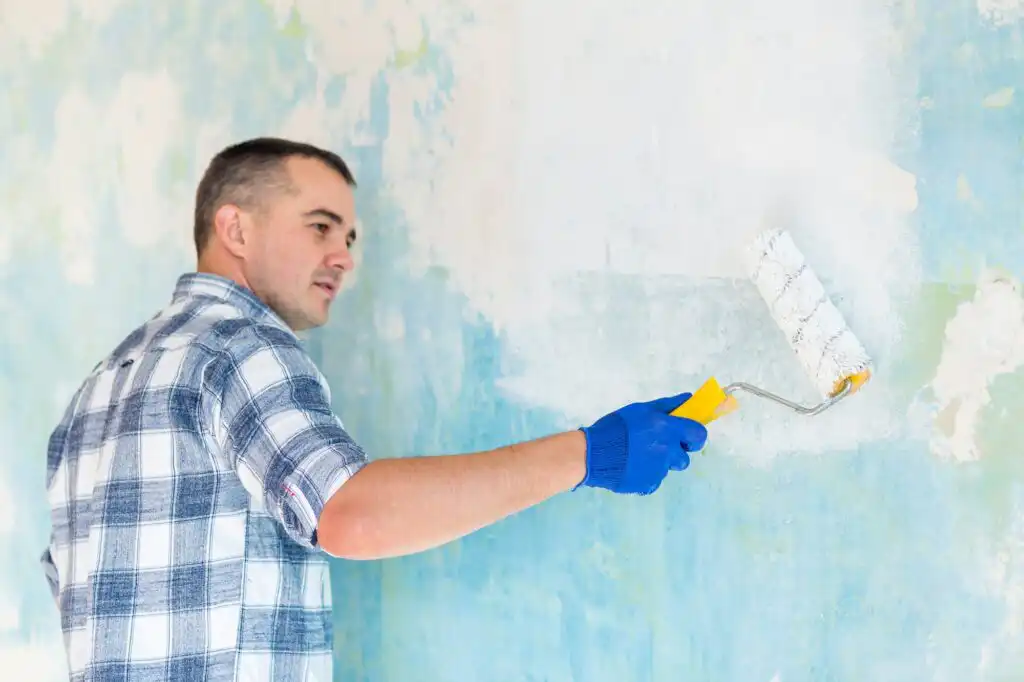
Painting After Plastering: Expert Tips for a Flawless Finish
Painting after plastering is a critical step in achieving a polished and long-lasting interior finish. Whether you are working on a residential or commercial project, the transition from plastered surfaces to painted walls requires proper timing, preparation, and technique. Well-planned painting services ensure that surfaces not only look appealing but also remain durable over time.
Fresh plaster needs careful handling before any paint is applied. Rushing this stage can lead to uneven finishes, peeling, or moisture-related issues. By understanding the correct process, you can achieve a professional result that enhances both aesthetics and performance.
Why Proper Preparation Matters
Preparation is the foundation of a successful paint job. Newly plastered walls contain moisture, and applying paint too soon can trap this moisture beneath the surface.
Key reasons to prepare properly:
- Prevents paint from cracking or bubbling
- Ensures even colour absorption
- Improves adhesion and longevity
- Reduces the need for frequent maintenance
Allowing plaster to cure fully is essential before moving forward with painting.
How Long Should You Wait Before Painting?
Drying time varies depending on environmental conditions and the type of plaster used.
General guidelines:
- New plaster typically requires 7 to 14 days to dry
- Humid conditions may extend drying time
- Proper ventilation helps speed up the process
A simple way to check readiness is by observing the colour of the plaster. It should appear uniformly light without darker patches.
Surface Preparation Before Painting
Once the plaster has dried, preparing the surface ensures a smooth and consistent finish.
Essential preparation steps:
- Cleaning the surface: Remove dust and debris using a soft brush or cloth. Clean surfaces allow paint to adhere properly.
- Sanding imperfections: Light sanding helps eliminate uneven areas and creates a smooth base.
- Applying a mist coat: A mist coat is a diluted paint layer that helps seal the plaster and improve adhesion for subsequent coats. This stage is crucial for achieving high-quality results in any project involving fresh plaster.
Choosing the Right Paint for New Plaster
Not all paints are suitable for newly plastered surfaces. Selecting the right type improves durability and appearance.
Recommended paint types:
- Water-based paints: These allow the surface to breathe and are ideal for initial coats.
- Low-sheen finishes: They help hide minor imperfections and provide a subtle finish.
- Matte finishes: Often used in modern interiors for a clean and understated look.
Working with plastering experts can help ensure the correct products are selected for specific conditions and surfaces.
Best Practices for Painting After Plastering
Following proven techniques can significantly improve the outcome of your painting project.
Step-by-step approach:
- Start with a mist coat: Apply a diluted paint layer to seal the surface.
- Apply multiple thin coats: Thin layers provide better coverage and reduce the risk of streaks.
- Allow drying between coats: Proper drying ensures a consistent finish.
- Use quality tools: High-quality brushes and rollers improve application and reduce marks.
These practices help create a professional finish that lasts.
Common Mistakes to Avoid
Avoiding common errors can save time and prevent costly rework.
Frequent issues:
- Painting before the plaster is fully dry
- Skipping the mist coat
- Using unsuitable paint types
- Applying thick coats too quickly
These mistakes can lead to uneven finishes and reduced durability. For more insights into achieving perfect surfaces, consider our New Home Plastering Checklist.
Colour Trends for 2026
Interior colour trends continue to evolve, with a focus on comfort, simplicity, and natural tones.
Popular colour directions:
- Earthy neutrals: Warm beige, soft browns, and clay tones create a calming atmosphere.
- Muted greens: Inspired by nature, these shades add freshness and balance.
- Deep charcoals and navy: These darker tones are ideal for feature walls and modern interiors.
- Soft pastels: Light pinks, blues, and greys offer a subtle and contemporary feel.
These trends reflect a shift towards creating comfortable and visually balanced spaces. You can explore more about current design aesthetics in our Top Interior Plastering Design Trends in 2026.
Matching Colours with Interior Design
Choosing the right colour involves more than following trends. It should complement the overall design of the space.
Factors to consider:
- Natural and artificial lighting
- Room size and layout
- Furniture and décor
- Desired mood and function
A well-coordinated colour scheme enhances the overall appearance of the interior.
The Role of Professional Expertise
Painting after plastering requires technical knowledge and attention to detail. Professionals understand how different materials and conditions affect the final result.
Empire Interior Plastering provides practical guidance and support for achieving consistent finishes across a range of projects. Their experience ensures that surfaces are properly prepared and finished to a high standard. For specialised projects like home theatre fitouts, professional plastering is key.
Maintenance Tips for Painted Surfaces
Once painting is complete, proper maintenance helps preserve the finish.
Simple care practices:
- Clean walls gently to remove dust
- Avoid harsh chemicals that may damage paint
- Address minor cracks or marks early
- Maintain proper ventilation in the space
These steps help extend the life of painted surfaces and keep them looking fresh.
Final Thoughts
Painting after plastering is a process that requires patience, preparation, and the right techniques. From allowing adequate drying time to selecting suitable paints and finishes, each step contributes to the final outcome.
By following best practices and staying informed about current colour trends, you can create interiors that are both functional and visually appealing. A thoughtful approach ensures long-lasting results.