
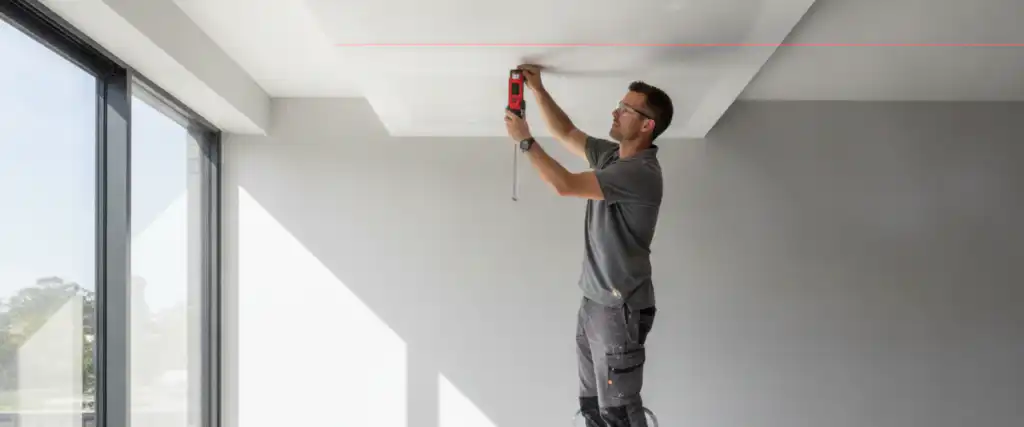
Planning a renovation or new build in Sydney and considering the sleek, modern aesthetic of a bulkhead ceiling? Understanding the bulkhead ceiling cost is crucial for accurate budgeting. These architectural features, often used to conceal services like air conditioning ducts or create distinct zones, add significant value and style to any interior. This guide from Empire Interior Plastering breaks down the current pricing landscape for bulkhead ceiling installations across Sydney, helping you anticipate expenses and make informed decisions.
Key Takeaways
- The average bulkhead ceiling cost in Sydney typically ranges from $120 to $250 per linear metre, depending on complexity.
- Key factors influencing price include material choices, design complexity, site accessibility, and the need for electrical or plumbing integration.
- Empire Interior Plastering provides detailed quotes, ensuring transparency and high-quality workmanship for all bulkhead installations.
Understanding Bulkhead Ceilings and Their Benefits
Aesthetic and Functional Advantages
Bulkhead ceilings are more than just a design element; they offer practical solutions for modern homes and commercial spaces. They are essentially dropped sections of a ceiling, often constructed from plasterboard, that serve multiple purposes. Homeowners across Sydney increasingly choose them for their versatility and aesthetic appeal.
Aesthetically, bulkhead ceilings create visual interest, define spaces without walls, and can incorporate ambient lighting. Functionally, they are excellent for hiding unsightly plumbing, electrical conduits, and air conditioning ducts, leading to a cleaner, more streamlined look. This makes them particularly popular in open-plan living areas, kitchens, and bathrooms where services often need to be discreetly managed. The integration of LED strip lighting within bulkheads can also dramatically enhance a room’s atmosphere.
Average Bulkhead Ceiling Cost in Sydney (2026 Estimates)
When budgeting for your project, the bulkhead ceiling cost in Sydney can vary significantly based on several factors. However, we can provide a general range to help you get started. These figures are estimates and a detailed quote from Empire Interior Plastering will provide the most accurate pricing.
Typical Price Range per Linear Metre
For a standard, straightforward bulkhead ceiling installation, you can expect to pay anywhere from $120 to $250 per linear metre. This price typically includes both materials and labour for a basic plasterboard bulkhead. More intricate designs, or those requiring specialised finishes, will naturally fall at the higher end of this scale.
Factors Influencing the Final Quote
- Design Complexity: Simple, straight bulkheads are less expensive than curved, multi-tiered, or irregularly shaped designs.
- Material Quality: Standard plasterboard is cost-effective, but moisture-resistant or fire-rated plasterboard will incur higher material costs.
- Height and Depth: Taller or deeper bulkheads require more material and labour.
- Integrated Services: If the bulkhead is designed to conceal air conditioning, extensive electrical wiring for downlights, or plumbing, additional trades may be required, increasing the overall project cost.
- Site Accessibility: Difficult-to-access areas or sites requiring special equipment for material delivery can add to labour expenses.
- Finishing Touches: The type of plastering finish (e.g., paint-ready smooth finish vs. textured) and any decorative mouldings will impact the price.
Detailed Breakdown: Materials and Labour
Understanding the components of your bulkhead ceiling cost helps in appreciating where your money is going. The two primary cost drivers are materials and labour.
Material Costs
The core materials for a bulkhead ceiling include:
- Plasterboard: Standard 10mm or 13mm plasterboard is common. Prices vary by thickness and type (e.g., standard, moisture-resistant for bathrooms, fire-rated for specific applications).
- Metal Studs and Tracks: These form the structural frame of the bulkhead. Light gauge steel framing is widely used for its durability and ease of installation.
- Plastering Compounds: Jointing compounds, base coats, and top coats are essential for achieving a smooth, seamless finish.
- Screws, Tape, and Adhesives: Various fasteners and tapes are used to secure the plasterboard and reinforce joints.
- Corner Beads/Angles: Used to protect and define sharp corners, ensuring a clean edge.
On average, material costs for a standard bulkhead can range from $30 to $60 per linear metre, depending on the specifications.
Labour Costs
Labour constitutes a significant portion of the total cost due to the specialised skills required. Professional plasterers from Empire Interior Plastering ensure precision and a high-quality finish. Labour charges will cover:
- Framing: Constructing the metal stud framework accurately.
- Sheeting: Cutting and fixing plasterboard panels to the frame.
- Jointing and Stopping: Applying multiple coats of compound to joints and screw heads, sanding between coats for a smooth surface.
- Finishing: Preparing the surface for painting, including final sanding and dust removal.
Labour rates in Sydney for skilled plasterers typically range from $80 to $150 per linear metre for bulkhead work, influenced by the complexity and time required for the installation.
Ready to Transform Your Space?
Empire Interior Plastering offers expert bulkhead ceiling installations across Sydney, ensuring quality and precision.
Factors That Can Increase Your Bulkhead Ceiling Cost
While the average price range provides a good starting point, several specific elements can push the bulkhead ceiling cost higher. Being aware of these can help you better manage your budget and expectations.
Integration of Lighting and Services
Designing a bulkhead to house recessed lighting, LED strips, or air conditioning vents requires careful coordination with electricians and HVAC technicians. This integration often means additional framing, precise cut-outs, and more intricate plastering work around these fixtures, all of which add to the labour time and complexity. The cost of the electrical or HVAC work itself will be separate from the plastering quote but is a critical part of the overall project budget.
Curved or Multi-Level Designs
Straight, simple bulkheads are the most economical. As soon as you introduce curves, multiple levels, or complex geometric shapes, the labour intensity increases significantly. Cutting plasterboard to precise curves and achieving a smooth finish on non-linear surfaces requires greater skill and time, directly impacting the labour component of the cost. These designs, however, offer a truly bespoke and high-end aesthetic.
Integrating complex services like ducted air conditioning or intricate lighting layouts into a bulkhead design can significantly increase the overall plastering labour cost due to the precision and coordination required.
Choosing the Right Plasterer for Your Bulkhead Project
Experience and Expertise Matter
Empire Interior Plastering brings extensive experience to every project. Our team understands the nuances of bulkhead construction, from precise framing to seamless plasterboard installation and immaculate finishing. We ensure that your bulkhead is not only visually stunning but also structurally sound and compliant with Australian building standards.
The Empire Interior Plastering Difference
Choosing Empire Interior Plastering means partnering with a team committed to excellence. We pride ourselves on:
- Detailed Quoting: Transparent, itemised quotes so you know exactly what you’re paying for.
- Quality Workmanship: Using only high-grade materials and proven techniques for a superior finish.
- Reliability: Adhering to project timelines and maintaining clear communication throughout the process.
- Compliance: Ensuring all work meets relevant Australian building codes and safety standards.
We work closely with homeowners, builders, and other trades to ensure a smooth and efficient installation, from the initial design consultation to the final paint-ready surface. Our goal is to deliver a bulkhead ceiling that enhances your space and exceeds your expectations.
Preparation and Installation Process for Bulkhead Ceilings
Step-by-Step Installation Guide
- Site Assessment and Planning: Our team conducts a thorough assessment of your space, considering existing structures, potential service routes, and your design vision. Detailed measurements and drawings are created.
- Framing Construction: Light gauge steel studs and tracks are cut and assembled to form the precise framework of the bulkhead. This skeletal structure is securely fixed to the existing ceiling and walls, ensuring stability and accuracy.
- Service Integration: If air conditioning ducts, electrical wiring, or plumbing are to be concealed, these services are carefully routed and installed within the newly constructed framework by the relevant trades.
- Plasterboard Sheeting: Plasterboard panels are meticulously cut to size and fixed to the metal frame using plasterboard screws. Care is taken to ensure snug fits and minimal gaps.
- Jointing and Stopping: All joints, screw heads, and internal/external corners are taped and then covered with multiple layers of plastering compound. Each coat is allowed to dry and is sanded smooth before the next application.
- Final Finishing: A final top coat is applied and sanded to achieve a perfectly smooth, paint-ready surface, free from imperfections.
- Clean-up: The work area is thoroughly cleaned, leaving your space ready for painting and the next stage of your renovation.
Each step is crucial for the structural integrity and aesthetic appeal of the finished bulkhead. Empire Interior Plastering manages this process with meticulous care, ensuring a high-quality outcome.
Long-Term Value and Maintenance of Bulkhead Ceilings
Enhancing Property Value and Appeal
Investing in a professionally installed bulkhead ceiling provides long-term value to your property, both in aesthetics and functionality. Understanding its maintenance requirements ensures it remains a highlight of your home.
Simple Maintenance Tips
- Regular Cleaning: Dust the surface periodically with a soft cloth or a vacuum cleaner attachment to prevent build-up.
- Spot Cleaning: For any marks or scuffs, use a damp, soft cloth with a mild, non-abrasive cleaner. Avoid harsh chemicals that could damage the paint or plaster finish.
- Inspect for Cracks: While professionally installed bulkheads are durable, minor hairline cracks can sometimes appear over time due to building movement. These are usually superficial and can be easily repaired by a plasterer.
- Paint Refresh: Like any painted surface, a fresh coat of paint every few years will keep your bulkhead looking pristine and vibrant.
With minimal care, your bulkhead ceiling will continue to be a stunning feature of your interior for many years to come.
For further information, see business.gov.au and the Australian Building Codes Board.
Frequently Asked Questions
What is the typical timeframe for a bulkhead ceiling installation?
The timeframe for installing a bulkhead ceiling depends on its size and complexity. A simple, small bulkhead might take 1-2 days for framing and sheeting, followed by several days for plastering, drying, and sanding. Larger or more intricate designs can take a week or more, especially when coordinating with other trades for electrical or HVAC integration.
Can a bulkhead ceiling be installed in any room?
Bulkhead ceilings can be installed in most rooms, provided there is adequate ceiling height. They are particularly popular in kitchens, living areas, hallways, and bathrooms. Rooms with very low ceilings may not be suitable, as the dropped section of the bulkhead would further reduce the head height, making the space feel cramped.
Does the bulkhead ceiling cost include painting?
Typically, the quoted bulkhead ceiling cost from Empire Interior Plastering covers the complete plastering work, bringing the surface to a paint-ready finish. Painting is usually a separate service, often undertaken by a dedicated painter after the plastering is complete. We can, however, coordinate with painters if you require a full-service solution.
What type of plasterboard is best for a bathroom bulkhead?
For bathrooms or other high-humidity areas, moisture-resistant plasterboard (often green in colour) is highly recommended. This type of plasterboard is specifically designed to withstand damp conditions, reducing the risk of mould and moisture damage, ensuring the longevity of your bathroom bulkhead.
How can I get an accurate quote for my specific project?
For the most accurate bulkhead ceiling cost tailored to your specific project, it’s best to contact Empire Interior Plastering directly. We offer on-site consultations to assess your requirements, discuss design options, and provide a detailed, no-obligation quote based on your unique specifications and the complexities involved.
Visit Empire Interior Plastering Today
For expert plastering services and a precise quote for your bulkhead ceiling project in Sydney, contact the team at Empire Interior Plastering in Picton, NSW.