
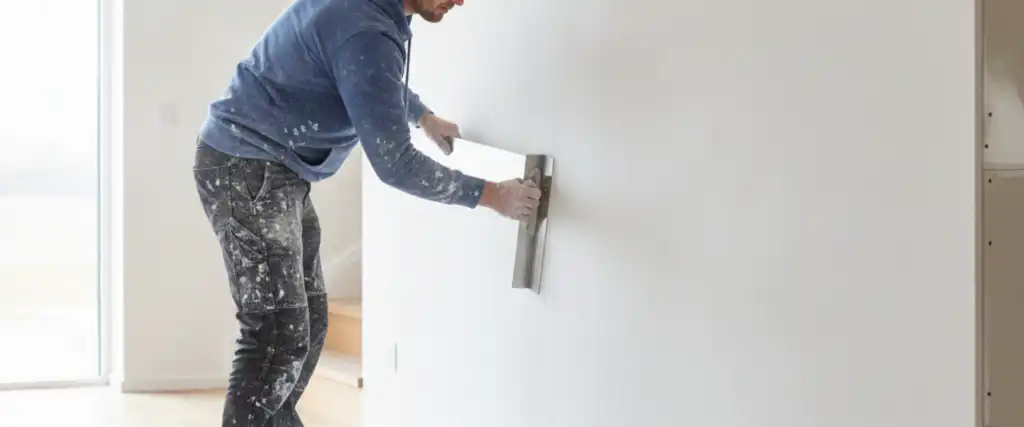
Understanding the combined painting and plastering cost in Sydney is crucial for anyone planning a renovation or new build. This guide clarifies how factors like room size, wall condition, and the desired finish significantly influence your budget for these essential interior services. You will learn what drives pricing up or down, enabling effective financial planning and informed decision-making for your Sydney property.
Key Takeaways
- The combined cost of plastering and painting in Sydney varies significantly based on project scope, wall condition, and desired finish.
- Key factors influencing pricing include room size, ceiling height, the extent of surface preparation, and the quality of materials chosen.
- Engaging experienced professionals like Empire Interior Plastering ensures a durable, high-quality finish and provides accurate, transparent quotes for your project.
Planning a home renovation or a new build in Sydney often involves considering the crucial stages of plastering and painting. These two services, when combined, lay the foundation for your interior’s aesthetic appeal and longevity. Understanding the associated painting and plastering cost in Sydney is essential for effective budgeting and decision-making.
This guide delves into the various components that contribute to the overall expenditure, from initial surface preparation to the final coat of paint. We will explore the factors that drive prices up or down, offering insights into what homeowners and builders can expect when engaging professional services in the Sydney region. Empire Interior Plastering is here to help you navigate these costs with clarity and expertise.
Decoding Plastering Costs in Sydney
Plastering forms the backbone of any smooth, ready-to-paint surface. The plastering cost in Sydney is influenced by several factors, including the type of plastering required, the total area, and the complexity of the job. Different scenarios, such as new installations versus repairs, carry distinct price tags.
New plasterboard installation, often seen in new builds or significant renovations, involves hanging sheets of plasterboard, taping joints, and applying multiple coats of plaster compound to achieve a seamless finish. This process is generally more straightforward than extensive repair work, but still requires precision and skill.
Repair work, on the other hand, can be more unpredictable. Fixing cracks, holes, water damage, or uneven surfaces may involve patching, skimming, or even replacing sections of existing plaster. The extent of damage and the level of detail required for a flawless repair directly impact the labour and material costs.
Factors Affecting Plastering Quotes
- Surface Area: The most obvious factor is the total square metres of walls and ceilings requiring plastering. Larger areas naturally incur higher material and labour costs.
- Wall Condition: Existing walls with significant imperfections, old wallpaper, or structural damage will require more extensive preparation, increasing the overall cost.
- Finish Level: Plastering finishes are categorised by levels (e.g., Level 4 for standard paint, Level 5 for high-gloss paint or critical lighting). Higher finish levels demand more meticulous work and additional coats, leading to higher costs.
- Ceiling Height: Taller ceilings require more effort, scaffolding, and specialised equipment, which can increase labour costs.
- Complexity: Intricate architectural details, cornices, archways, or numerous corners and angles add complexity and time to the job.
Materials and Labour for Plastering
Materials typically include plasterboard sheets, various grades of plaster compound (base coat, top coat), joint tape, and fasteners. The quality and brand of these materials can affect the overall cost, though professional plasterers often use trusted, durable products.
Labour is a significant component of the plastering cost. Highly skilled and experienced plasterers charge for their expertise, precision, and efficiency. In Sydney, labour rates reflect the local cost of living and demand for quality tradespeople. Empire Interior Plastering prides itself on employing skilled professionals who deliver exceptional results.
Understanding Painting Costs in Sydney
Once the plastering is complete, painting transforms the prepared surfaces into the desired aesthetic. The painting cost in Sydney is equally variable, influenced by factors such as surface preparation, paint quality, and the complexity of the application. It’s not just about applying paint; it’s about achieving a lasting, beautiful finish.
Surface preparation is paramount for a professional paint job. This includes cleaning, sanding, priming, and minor patching or filling of any remaining imperfections after plastering. Skipping or rushing this stage can compromise the final look and durability of the paint.
The type and quality of paint chosen also play a crucial role. Premium paints offer better coverage, durability, and a richer finish, but come at a higher price point. Different finishes like matte, eggshell, satin, or gloss also have varying costs and application requirements.
Key Cost Drivers for Painting Projects
- Extent of Preparation: Walls requiring extensive cleaning, sanding, or repairs before painting will increase labour time and cost.
- Paint Quality and Type: Higher quality paints, specialty paints (e.g., mould-resistant, low VOC), or specific finishes (e.g., ultra-premium gloss) are more expensive per litre.
- Number of Coats: Most projects require a primer and two topcoats for optimal coverage and durability, especially when changing colours significantly. Additional coats mean more paint and labour.
- Room Features: Windows, doors, architraves, skirting boards, and cornices require meticulous cutting-in and often different paint types, adding to the complexity and time.
- Accessibility: High ceilings or difficult-to-reach areas may necessitate scaffolding or lifts, increasing labour and equipment costs.
Labour and Materials in Painting
Paint materials include the paint itself, primer, masking tape, drop cloths, brushes, rollers, and cleaning supplies. Professional painters often purchase materials at trade prices, which can sometimes be more cost-effective than retail for homeowners.
Painting labour involves the skill of preparation, application, and attention to detail. Experienced painters ensure straight lines, even coverage, and a clean finish. The time taken for a painting project depends on the size of the area, the number of coats, and the intricacy of the work, all contributing to the overall painting cost.
A seamless finish requires more than just skilled hands; it demands meticulous preparation, quality materials, and a deep understanding of surface dynamics. Investing in professional plastering and painting is an investment in your property’s long-term value and aesthetic appeal.
Combined Painting and Plastering Cost in Sydney: What to Expect
When budgeting for a project that involves both plastering and painting, it is crucial to consider them as interconnected phases. The quality of the plastering directly impacts the final paint finish, making it a critical foundation. Understanding the combined cost helps you plan your project comprehensively.
Sydney’s dynamic property market and high demand for quality trades services mean that costs can be higher than in regional areas. However, this also reflects the expertise and reliability of local professionals. Empire Interior Plastering offers transparent pricing, ensuring you understand every aspect of your quote.
Factors Influencing the Overall Project Cost
- Project Scope: Are you renovating a single room, an entire house, or a commercial space? The scale of the project significantly impacts the total cost.
- Existing Wall Condition: If walls require extensive repairs, patching, or stripping of old finishes before plastering, this adds to both the plastering and subsequent painting preparation costs.
- Desired Finish Quality: A Level 5 plaster finish followed by premium paint will naturally be more expensive than a standard Level 4 finish with general-purpose paint.
- Access and Logistics: Projects with difficult access, requiring extensive furniture moving, or working in occupied spaces may incur additional labour time and associated costs.
- Timeline: Urgent projects requiring expedited completion might involve overtime for tradespeople, potentially increasing labour costs.
Typical Cost Ranges for Plastering and Painting in Sydney
Providing exact figures without a site inspection is challenging, as every project is unique. However, we can offer general ranges to help you budget for combined painting and plastering cost in Sydney. These figures are estimates and can vary based on the factors discussed above, as well as the specific rates of your chosen contractor.
Estimated Costs for Different Scenarios
For a standard interior plastering and painting job in Sydney, you might expect the following rough estimates:
- New Plasterboard & Paint (New Build/Major Reno): This typically involves hanging new plasterboard, taping, three coats of plaster compound (Level 4 finish), priming, and two coats of quality interior paint.
- Small Room (e.g., bedroom): $1,500 – $3,500 (plastering & painting combined)
- Medium Room (e.g., living room): $3,000 – $6,000+ (plastering & painting combined)
- Whole House (standard 3-bed): $15,000 – $40,000+ (plastering & painting combined, depending on size and complexity)
- Repair, Skim & Paint (Renovation/Refresh): This scenario involves repairing existing damaged plaster, a full skim coat over existing walls to achieve a smooth finish, priming, and two coats of interior paint.
- Small Room with minor repairs: $1,000 – $2,500 (plastering & painting combined)
- Medium Room with extensive skimming: $2,500 – $5,000+ (plastering & painting combined)
- Whole House with significant repairs/reskimming: $12,000 – $35,000+ (plastering & painting combined)
These ranges are broad and serve as a starting point. For an accurate quote, a professional assessment of your specific project is always recommended. Empire Interior Plastering provides detailed, no-obligation quotes after a thorough site visit.
The Process: From Initial Plastering to Final Paint
Understanding the stages involved in a combined plastering and painting project can help you appreciate the work and costs. A structured approach ensures efficiency, quality, and a durable finish.
Detailed Steps for a Flawless Finish
- Surface Assessment & Preparation:
The team assesses the existing walls or prepares new plasterboard. This might involve removing old wallpaper, sanding, cleaning, or making minor repairs before plasterboard installation or plaster application.
- Plasterboard Installation (if applicable):
New plasterboard sheets are precisely cut and securely fastened to the wall studs or ceiling joists. This stage requires careful measurement and alignment for a flat surface.
- Joint Taping & First Coat of Compound:
Joints between plasterboard sheets are taped to prevent cracking. A first, heavier coat of plaster compound is applied over the tape and screw holes, feathering it out smoothly.
- Second & Third Coats of Compound:
Subsequent thinner coats of plaster compound are applied, each allowed to dry and lightly sanded, to build up a perfectly smooth and even surface. This is critical for achieving the desired finish level (e.g., Level 4 or Level 5).
- Final Sanding & Dust Removal:
Once all plaster coats are dry, the entire surface is meticulously sanded to remove any imperfections, ensuring a glass-smooth finish. All dust is then thoroughly removed to prepare for painting.
- Priming:
A high-quality primer is applied to the freshly plastered surfaces. Primer ensures better paint adhesion, provides a uniform base, and helps achieve true paint colour with fewer topcoats.
- First Coat of Paint:
The first topcoat of the chosen interior paint is applied. Professionals use precise techniques to ensure even coverage, cutting in around edges and using rollers for larger areas.
- Second Coat of Paint (and subsequent coats if needed):
After the first coat dries, a second (and sometimes third, depending on colour change or paint type) coat is applied to achieve full opacity, depth of colour, and durability. This completes the transformation.
- Clean-up & Final Inspection:
The work area is thoroughly cleaned, masking tape removed, and a final inspection conducted to ensure the highest quality finish and client satisfaction.
Ready to Transform Your Space?
Empire Interior Plastering delivers superior plastering and painting services across Sydney, ensuring a flawless finish every time.
Choosing the Right Professionals for Your Project
The success of your plastering and painting project hinges on selecting experienced and reliable tradespeople. Empire Interior Plastering brings a wealth of experience to every job, ensuring adherence to Australian standards and delivering exceptional results. When considering contractors for your painting and plastering cost in Sydney, look for transparency, expertise, and a strong portfolio.
What to Look for in a Plastering and Painting Contractor
- Experience and Reputation: Choose contractors with a proven track record in Sydney. Check their portfolios, testimonials, and online reviews.
- Licensing and Insurance: Ensure they are properly licensed and hold adequate insurance (Public Liability, Workers Compensation) for your peace of mind.
- Detailed Quotes: A reputable contractor will provide a comprehensive, itemised quote that clearly outlines all costs, materials, and labour involved.
- Communication: Effective communication throughout the project is vital. You should feel comfortable discussing your needs and concerns.
- Quality Materials: Professionals use high-quality, durable materials that contribute to the longevity and finish of your walls and ceilings.
- Warranty/Guarantees: Ask about any warranties or guarantees on their workmanship.
Empire Interior Plastering understands the nuances of Sydney properties and the expectations of local clients. Our commitment to quality craftsmanship and customer satisfaction ensures your project is completed to the highest standards, on time and within budget.
Maximising Value and Longevity for Your Investment
Investing in professional plastering and painting is an investment in your property’s value and your living environment. A high-quality finish not only looks impressive but also offers practical benefits, including enhanced durability and easier maintenance. Understanding how to maximise this investment is key.
Tips for Maintaining Your Newly Plastered and Painted Surfaces
- Allow Proper Curing: Freshly painted walls need time to cure fully (often 2-4 weeks) before heavy use or cleaning.
- Gentle Cleaning: For most interior paints, a soft cloth with mild soap and water is sufficient for cleaning marks. Avoid abrasive cleaners or scrubbing.
- Address Issues Promptly: Attend to any leaks or water damage immediately to prevent plaster degradation and paint blistering.
- Good Ventilation: Maintain good ventilation in your home to prevent moisture build-up, which can lead to mould and damage to plaster and paint.
- Keep Touch-Up Paint: Store small amounts of your chosen paint colours for easy touch-ups of minor scuffs or marks.
By following these simple maintenance tips, you can significantly extend the life and beauty of your newly finished walls and ceilings, ensuring your investment continues to pay off for years to come. Empire Interior Plastering provides advice on care specific to the materials used in your project.
Frequently Asked Questions
How long does a combined plastering and painting project typically take?
The duration varies greatly depending on the project’s size and complexity. A single room might take 3-5 days, while a whole house could take several weeks. Factors like drying times for plaster and paint coats also influence the schedule. Empire Interior Plastering provides a clear timeline with your quote.
Is it cheaper to do plastering and painting separately or as a combined job?
Generally, it is more cost-effective to hire one contractor or a coordinated team to handle both plastering and painting. This streamlines communication, reduces scheduling conflicts, and often results in better overall project management and potentially lower combined labour costs. Empire Interior Plastering offers integrated solutions.
What is a Level 5 plaster finish, and do I need it?
A Level 5 finish is the highest standard of plastering, involving a thin skim coat of joint compound applied over the entire surface of the plasterboard. This creates an exceptionally smooth, uniform surface, ideal for critical lighting conditions (e.g., strong natural light, up-lighting) or when using high-gloss paints. It is more costly but provides a superior aesthetic. Your contractor can advise if it’s necessary for your specific project.
Can I paint over old, uneven plaster without re-plastering?
While technically possible, painting over uneven or damaged plaster without proper preparation (which often involves re-plastering or skimming) will likely highlight imperfections rather than conceal them. The final paint finish will only be as good as the surface beneath it. For a smooth, professional result, addressing the plaster condition first is always recommended.
How can I get an accurate quote for my Sydney project?
The best way to get an accurate quote is to contact Empire Interior Plastering for a site visit. We will assess the specific conditions of your walls and ceilings, discuss your desired finish, and provide a detailed, no-obligation quotation tailored to your project’s unique requirements in Picton and across Sydney.
Related resources
- Free Plastering Quote in Camden & Narellan
- Free Plastering Quote in Picton & Wollondilly
- Free Plastering Quote in Liverpool
- Free Plastering Quote in Campbelltown
- Get a Free Plastering Quote in Sydney
- Plastering in Campbelltown
- Plastering in Picton
- Local Plastering Services Sydney
- Interior Plastering Projects Sydney
- Bulkhead Ceiling Cost in Sydney
- Cornice Replacement Cost in Sydney
- Plasterer Near Me
- Expert Plastering Services in Inner West Sydney | Residential & Commercial
Visit Empire Interior Plastering Today
Ready to transform your home with expert plastering and painting services in Picton and across Sydney? Our team is ready to deliver exceptional results.