
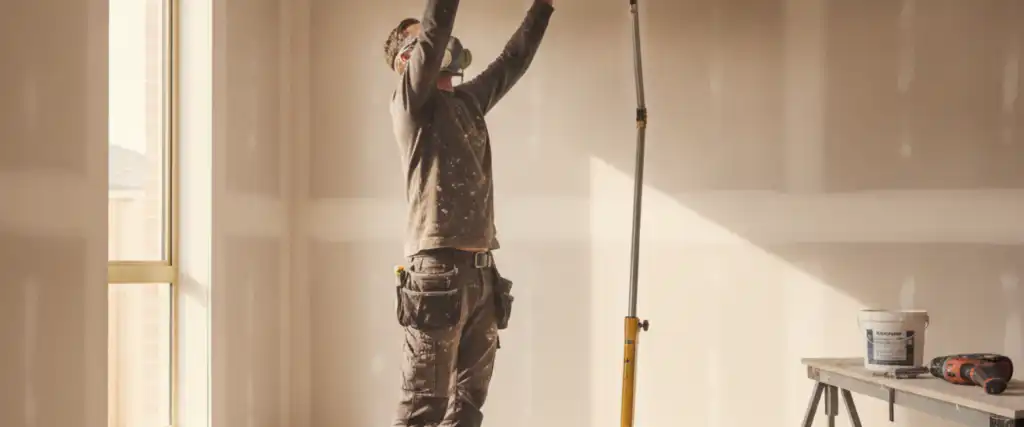
Considering a ceiling replacement in your Australian home? Understanding the ceiling replacement cost is crucial for any renovation budget. Whether you’re dealing with water damage, wear and tear, or simply aiming for a fresh, modern look, knowing the potential expenses involved in professional interior plastering services will help you plan effectively. This guide from Empire Interior Plastering breaks down the various factors influencing pricing, from materials and labour to the complexity of the job, ensuring you have a clear picture before you begin.
Key Takeaways
- Ceiling replacement costs in Australia typically range from $60 to $150 per square metre, depending on the type and complexity.
- Key factors influencing the price include ceiling type (plasterboard, lath and plaster), size, condition, and accessibility.
- Labour costs often make up a significant portion of the total expense, reflecting the skill and time required for professional installation.
- Hidden issues like water damage, asbestos, or electrical work can significantly increase the overall project budget.
- Obtaining multiple detailed quotes from qualified plasterers is essential for accurate budgeting and avoiding unexpected costs.
Understanding the Average Ceiling Replacement Cost in Australia
The average ceiling replacement cost in Australia can vary significantly, typically ranging from $60 to $150 per square metre. This wide range accounts for different ceiling types, the extent of work required, and regional pricing variations. For a standard 10-square-metre room, you might expect to pay between $600 and $1,500 for the ceiling alone, excluding potential repairs to underlying structures or specialist finishes.
Several primary factors influence this baseline cost. The material chosen for the new ceiling, the complexity of the existing structure, and the labour rates of qualified plasterers all play a crucial role. For homeowners in Picton and across Sydney, understanding these variables is the first step towards accurate budgeting for their renovation project.
Common Ceiling Types and Their Costs
The type of ceiling you choose or currently have will largely dictate the replacement cost. Here are the most common options:
- Plasterboard (Gyprock) Ceilings: This is the most common and generally the most affordable option. Costs typically range from $60 to $90 per square metre for supply and installation of standard plasterboard, including taping and finishing. Fire-rated or sound-resistant plasterboard will incur higher costs.
- Lath and Plaster Ceilings: Found in older Australian homes, these ceilings are more complex to remove and replace. Replacement with new plasterboard can cost $80 to $120 per square metre due to the additional demolition and waste removal. If you opt to restore or replicate a lath and plaster ceiling, costs can soar to $150-$300+ per square metre due to specialist labour and materials.
- Suspended Ceilings: Often seen in commercial properties or basements, suspended ceilings involve a grid system and tiles. Replacement costs can range from $70 to $130 per square metre, depending on the tile type and grid system.
- Decorative Ceilings (e.g., Cornices, Rosettes): If your ceiling replacement includes intricate decorative elements, expect higher costs. Installation of new cornices can add $20-$50 per linear metre, while custom rosettes or ceiling panels will be quoted separately based on design and material.
Factors Influencing Ceiling Replacement Pricing
Beyond the basic material cost, several other elements contribute to the overall ceiling replacement cost. Being aware of these can help you anticipate potential expenses and avoid budget blowouts.
Size and Scope of the Project
It’s intuitive that a larger area will cost more, but the relationship isn’t always linear. Replacing an entire house’s ceilings might offer a slightly better per-square-metre rate than replacing a single small room due to economies of scale in materials and labour setup. Conversely, replacing only a small section, such as a water-damaged patch, can sometimes be surprisingly expensive per square metre due to the precision required to blend new work with old seamlessly.
- Total Area: The larger the ceiling area, the higher the overall cost.
- Partial vs. Full Replacement: A partial replacement might seem cheaper, but matching textures and finishes can be challenging and sometimes cost more per square metre than a full room replacement.
Condition of the Existing Ceiling and Structure
The state of your current ceiling and the underlying structural elements are critical cost drivers. A ceiling with minor cracks is a straightforward fix, but significant damage can uncover a Pandora’s box of issues.
- Minor Damage: Small cracks or sagging in plasterboard might only require patching and re-finishing, which is less costly than a full replacement.
- Extensive Damage: Severe water damage, significant structural sagging, or widespread mould necessitate a full strip-out and replacement, increasing labour and material costs.
- Asbestos Removal: Many older Australian homes may contain asbestos in ceilings. If asbestos is detected, professional removal is legally required and adds a substantial, non-negotiable cost to the project. Always get an inspection if you suspect asbestos.
- Underlying Issues: Damaged timber joists, poor insulation, or inadequate ventilation must be addressed before a new ceiling is installed, incurring additional repair costs.
A ceiling replacement is often more than just a cosmetic upgrade; it’s an opportunity to address underlying structural issues, improve insulation, or even enhance fire safety. Investing in quality plastering now can save you significant costs and headaches down the track.
Labour Costs and Expertise
Labour is typically the most significant component of the ceiling replacement cost. Professional plasterers in Sydney are highly skilled tradespeople whose expertise ensures a smooth, durable, and aesthetically pleasing finish.
- Hourly Rates: Plasterers’ hourly rates in Australia can range from $70 to $120 per hour, depending on experience and location.
- Project Duration: The time required for demolition, installation, taping, and finishing will directly impact the total labour cost. Complex designs or challenging access can extend project duration.
- Specialist Skills: If your project involves intricate cornices, decorative plasterwork, or dealing with heritage properties, you’ll need specialists whose rates will be higher.
Accessibility and Site Preparation
How easy it is for plasterers to access the ceiling area can affect labour costs. Difficult access adds time and effort.
- Furniture Removal: You may need to move furniture or clear rooms, or the plasterers will charge for this service.
- Scaffolding: High ceilings (over 2.7m) often require scaffolding or specialised platforms, which adds to equipment hire and setup time.
- Protection: Protecting floors, walls, and built-in fixtures from dust and debris is essential and takes time for preparation and clean-up.
Need a clear estimate for your ceiling project?
Gain budgeting confidence with a detailed, no-obligation quote tailored to your specific ceiling replacement needs.
Additional Costs to Consider for Ceiling Replacement
When budgeting for your ceiling replacement cost, it’s vital to think beyond just the plastering work. Several other trades and materials might be required, adding to the overall project expense.
Electrical Work and Lighting
A ceiling replacement is an ideal time to upgrade your lighting or add new fixtures. This will require a licensed electrician.
- New Lighting Fixtures: Installation of downlights, pendant lights, or ceiling fans.
- Rewiring: Older homes might require partial or full rewiring if the existing electrical system isn’t up to code or can’t support new fixtures.
- Switch Relocation: If you’re redesigning the room layout, you might want to move light switches.
Expect to pay an electrician anywhere from $80 to $150 per hour, plus the cost of new fixtures.
Insulation Upgrades
With the ceiling open, it’s the perfect opportunity to improve your home’s thermal efficiency. Adding or upgrading ceiling insulation can help reduce heating and cooling costs in the long run.
- Material Costs: Insulation batts or blow-in insulation can range from $15 to $40 per square metre, depending on the R-value and material type.
- Installation: While often a quick job for plasterers or insulation specialists, it’s an added labour cost.
Painting and Finishing
Once the new ceiling is installed and perfectly smooth, it will need to be painted. This can be a DIY job to save money, or you can hire professional painters.
- Professional Painting: Hiring painters can add $15-$30 per square metre for preparation, priming, and two coats of paint.
Choosing a Professional Plasterer in Sydney
Selecting the right plasterer for your ceiling replacement is paramount to achieving a high-quality, durable finish. Empire Interior Plastering, based in Picton, services homeowners and businesses across Sydney, providing expert interior plastering solutions.
What to Look For in a Plastering Company
When getting quotes, consider these factors:
- Experience and Reputation: Look for a company with a proven track record in ceiling replacements and positive client testimonials.
- Licensing and Insurance: Ensure the plasterer is licensed (where required in NSW for certain project values) and carries appropriate public liability insurance. This protects you from any accidents or damage during the project.
- Detailed Quotes: A reputable plasterer will provide a comprehensive, itemised quote that clearly outlines all costs, including materials, labour, waste removal, and any potential contingencies.
- Communication: Choose a plasterer who communicates clearly and promptly, answering your questions and keeping you informed throughout the project.
- Warranty: Inquire about any warranties or guarantees on their workmanship.
Getting Accurate Quotes for Your Ceiling Replacement
To get the most accurate estimate for your ceiling replacement cost, follow these steps: Melville Ceilings Experts sets this out in more detail.
- Prepare Your Space: Clear the room as much as possible before the plasterer visits for a quote.
- Be Specific: Clearly articulate your needs and expectations. Do you want a full replacement or just a repair? Are you considering any lighting changes or insulation upgrades?
- Request Itemised Quotes: Ask for a breakdown of costs for labour, materials, and any additional services like waste removal.
- Compare Multiple Quotes: Obtain at least three quotes from different plasterers to compare pricing and services. Don’t always go for the cheapest option; consider value, reputation, and included services.
- Check References: Ask for references or view examples of their previous ceiling replacement work.
For homeowners in Picton and surrounding Sydney suburbs, Empire Interior Plastering offers reliable, high-quality ceiling replacement services. We pride ourselves on transparent pricing and exceptional workmanship, ensuring your renovation project is a smooth success.
Frequently Asked Questions
How long does it take to replace a ceiling?
The time required depends on the size and complexity of the room. A standard plasterboard ceiling in an average-sized room (e.g., 10-15 square metres) can take 1-3 days for demolition, installation, taping, and initial finishing. This doesn’t include drying time for plaster compounds or painting.
Can I replace a ceiling myself to save on costs?
While it’s possible for experienced DIYers, ceiling replacement, especially with plasterboard, is physically demanding and requires significant skill to achieve a professional finish. Issues like uneven joins, visible screws, or sagging can detract from the overall aesthetic. Professional plasterers have the tools, expertise, and experience to ensure a flawless result, often saving you time and potential re-work costs.
What are the signs that my ceiling needs replacing?
Common signs include significant sagging, large cracks (especially spiderweb patterns), water stains or damage, persistent mould growth, crumbling plaster, or a desire to remove an outdated textured ceiling. If you suspect structural issues or asbestos, professional inspection is crucial.
Is asbestos a common issue with older ceilings in Australia?
Many homes built before 1990 in Australia may contain asbestos in ceiling materials, particularly in fibrous cement sheets or as a backing to textured finishes. If you live in an older home and plan a ceiling replacement, it’s highly recommended to have an asbestos inspection by a qualified professional before any demolition work begins, as unsafe removal can pose serious health risks.
Does ceiling replacement include insulation?
Typically, the quoted ceiling replacement cost for plastering services does not include insulation, but it is an excellent opportunity to add or upgrade it. Most plasterers can install insulation batts as part of the job for an additional cost, or you can hire a separate insulation specialist. Always clarify what’s included in your quote.
Related resources
- Bulkhead Ceiling Cost in Sydney
- Painting and Plastering Cost in Sydney
- How Decorative Cornices and Ornate Ceilings Transform Interiors
Get expert advice on your ceiling replacement
Receive tailored recommendations and a transparent quote from Empire Interior Plastering for your project across Sydney.